Estuarine Research

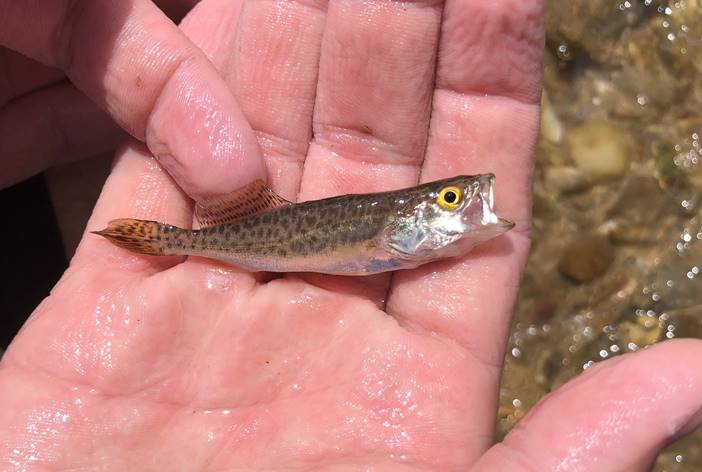
Species-habitat relationships for estuarine fishes
Identifying functional relationships between habitat characteristics and suitability for fishes is necessary for proper management and conservation. Habitat distribution models can make use of large scale surveys, such as those conducted by the Texas Parks and Wildlife Department (TPWD) to examine species-habitat relationships. We use generalized additive models, a flexible and nonparametric form of regression, to relate the occurrence of estuarine fishes (including southern flounder and red drum) to temporal, physicochemical, and benthic habitat characteristics. Our results indicate that habitat suitability of a species can be dynamic, with changes in species-habitat relationships possible within the first year of life.
Habitat connectivity within estuarine seascapes using acoustic telemetry
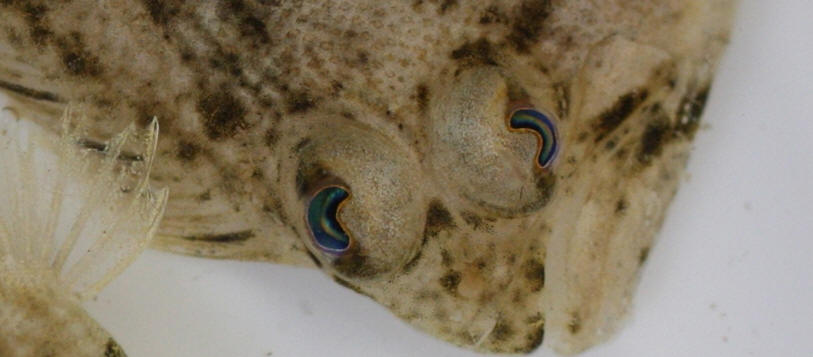
In estuarine seascapes, multiple habitat types are often distributed in close proximity and the spatial composition and arrangement of habitat patches combine complementary resources that may be beneficial to resident species. The ability to characterize how habitat types are functionally linked and identify processes influencing patterns of habitat use and connectivity in estuarine fishes is important to effectively prioritize and conserve the suite of estuarine habitats most likely to influence the production of adult fish. The goal of this project is to examine movement and connectivity of sub-adult red drum and southern flounder at two spatial scales within a model estuary (Christmas Bay, Texas). We are utilizing an acoustic positioning system in conjunction with high-resolution maps of seascapes to obtain information on movement and habitat linkages at both the habitat scale (meters) and bay/estuary scale (kilometers) within the Christmas Bay estuary. Temporal changes (diel, tidal, seasonal) in habitat use and movement are being examined to identify critical habitats and the degree of connectivity among habitat patches within an estuarine seascape.
Associated Publications
Steffen C, Stephens SA, Dance MA, Lippi DL, Jensen CC, Wells RJD, Rooker JR (2023). Estuarine-coastal connectivity and partial migration of southern flounder in the Gulf of Mexico. Estuarine, Coastal and Shelf Science 294 108545. doi.org/10.1016/j.ecss.2023.108545
Moulton DL, Dance MA, Williams JA, Zapp Sluis M, Stunz GW, Rooker JR (2017) Habitat partitioning and movement of red drum and spotted seatrout. Estuaries and Coasts 40: 905-916. doi: 10.1007/s12237-016-0189-7
Dance MA, Rooker JR (2015) Habitat- and bay-scale connectivity of sympatric fishes in an estuarine nursery. Estuarine, Coastal and Shelf Science 167: 447-457. doi:10.1016/j.ecss.2015.10.025
Habitat use and recruitment of fishes in Matagorda Bay
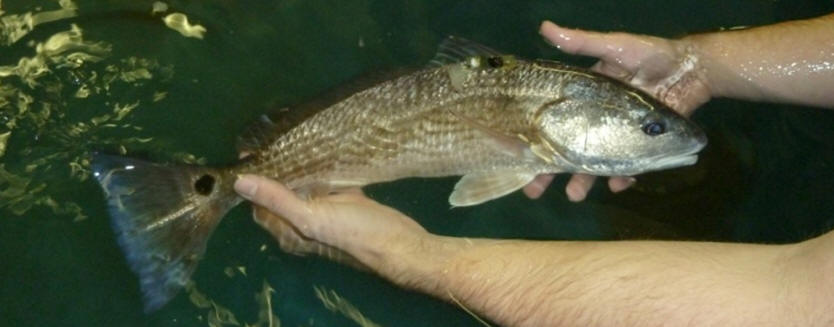
Seagrass beds and saltmarsh edges have been well documented as nursery habitat for many species of marine fish that are commercially and recreationally important along the Texas Coast. Matagorda Bay, the second largest estuary in Texas, provides an abundance of both saltmarsh and seagrass. Matagorda is frequented by sportsmen from all over Texas and has been identified by the Texas Department of Parks and Wildlife as an important natural resource. As such, MB is currently undergoing a comprehensive ecosystem assessment for the Texas Department of the Comptroller conducted through a partnership between State agencies and universities. Understanding the recruitment dynamics of fishes inhabiting nursery habitats is a critical part of understanding how this estuarine system functions as a whole. The primary goals of this research are to first: identify the timing, biodiversity, and spatial variation in recruitment events of fishes in Matagorda Bay and secondly quantify the quality of each nursery habitat by examining the growth and condition of the juvenile fish living there.