Research Team
Principal Investigator
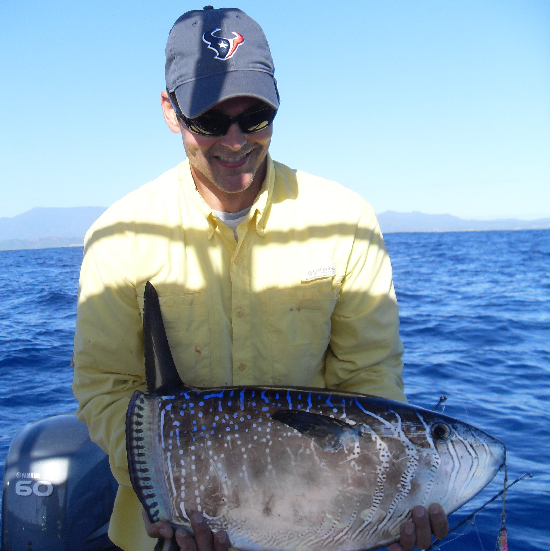
Dr. Jay R. Rooker
Regents Professor & McDaniel Chair of Sustainable Marine Fisheries
Department of Marine Biology (Galveston)
Department of Ecology and Conservation Biology (College Station)
rookerj@tamug.edu
Phone: +1 (409) 740.4744
Research Interest:
My research centers on the community and population ecology of aquatic organisms, with a special emphasis on marine fishes. I am particularly interested in linkages between habitat selection, individual responses, and survival. My work is both laboratory and field-based, and I typically use both quantitative and experimental approaches to elucidate the importance of biotic and abiotic factors that influence growth, condition, and survival. In addition, we are currently using a variety of natural markers to solve ecological problems. Otolith chemistry is being used to retrospectively determine the environmental histories of marine fishes. The premise of otolith chemistry is that certain elements or isotopes are incorporated into otoliths in proportion to their concentrations in the environment, and thus we use these elemental fingerprints to distinguish individuals from different environments or regions. We also use dietary tracers (stable isotopes, fatty acids) to investigate marine food web structure since consumer tissues reflect the isotopic and fatty acid composition of prey in a predictable manor. These natural biomarkers provide time-integrated or long-term measures of diet, and both approaches afford information on source(s) of organic matter supporting local food webs as well as trophic relationships of associated consumers. Recent work also involves the use of sophisticated electronic tags to investigate movement and population connectivity of coastal and pelagic fishes.
Graduate Students

Natalie Windels
Ph.D. student (co-advised with Dr. David Wells)
Education:
B.S. University of Minnesota, Twin Cities (2022)
Research Interests:
I am interested in the behavioral ecology and migratory patterns of marine fishes within coastal and pelagic ecosystems. My dissertation will investigate the early life of several tropical tuna species (yellowfin, blackfin, bigeye, and skipjack) using telemetry, dietary tracers, and otolith chemistry to gain insight into the community dynamics of tunas in the Gulf of Mexico.
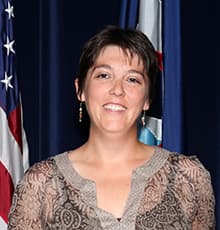
Marissa Nuttall
Ph.D. Student
Education:
B.S. Texas A&M University (2008)
M.S. Texas A&M University (2013)
Research Interests:
My research interests focus on the design and efficacy of marine protected areas and the populations they aim to protect. My dissertation research will examine high resolution habitat use and larval dispersal of key native and invasive reef associated fishes at Flower Garden Banks National Marine Sanctuary during different life history stages using acoustic telemetry and biophysical modeling. I have worked at NOAA’s Flower Garden Banks National Marine Sanctuary as a research specialist since 2007.
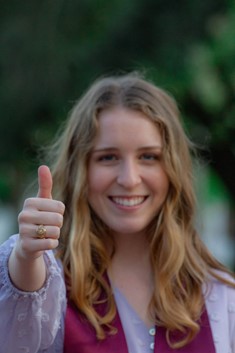
Alexandra Prouse
Ph.D. Student
Education:
B.S. Texas A&M University (2020)
Research Interests:
My research interests include food web ecology and ecotoxicology with an emphasis on marine fishes. Trophic dynamics may influence contaminant body burdens in marine predators, thus impacting these ecologically and economically important species. Perfluoroalkyl substances (PFAS) are a class of contaminants of emerging concern (CECs) that are widespread in the environment and may cause adverse biological or ecological effects. My dissertation utilizes multiple mass spectrometry methods to conduct stable isotope and PFAS analysis, which allows us to investigate variations in these signatures among marine fish species and ocean basins.
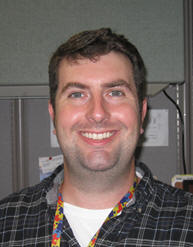
Jeffrey Pinsky
M.S. Student
Education:
B.S. Texas A&M University (2005)
Research Interests:
I am interested in studying the life history and population dynamics of marine fishes. I have worked for the U.S. Army Corps of Engineers, Galveston District, Regulatory division as a Project manager since 2008.
Research Associates
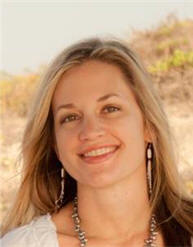
Dr. Michelle Zapp Sluis
Research Scientist
Education:
Ph.D. Louisiana State University (2011)
B.S. Texas A&M University (2004)
Research Interests:
My research interests include ecology and population dynamics of marine fish, with an emphasis on conservation and management. The majority of my work has centered on using otolith chemistry to estimate population connectivity and stock structure of different ecologically and economically important marine fish. In addition to these natural tags, I have assisted in deploying acoustic and satellite tags to investigate the movement and habitat preference of estuarine and coastal fishes.
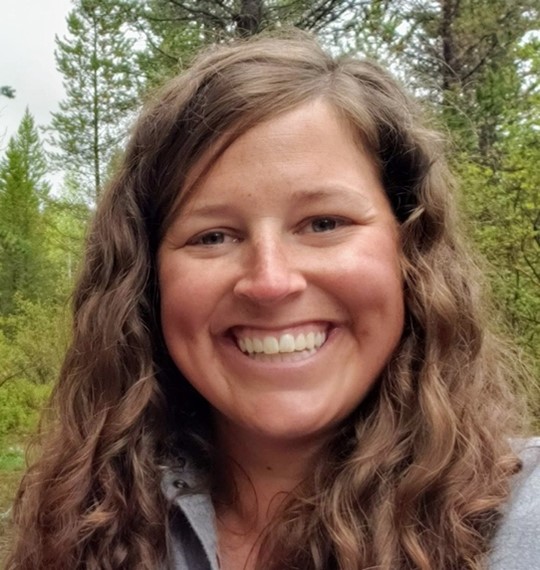
Landes Randall
Senior Research Associate
Education:
M.S. Texas A&M University (2014)
B.S. Trinity University (2011)
Research Interests:
My research focuses on marine fish connectivity and habitat preference. I use acoustic telemetry to look at estuary fish species to observe movement patterns and understand the influence of environmental conditions on behavior and habitat use.
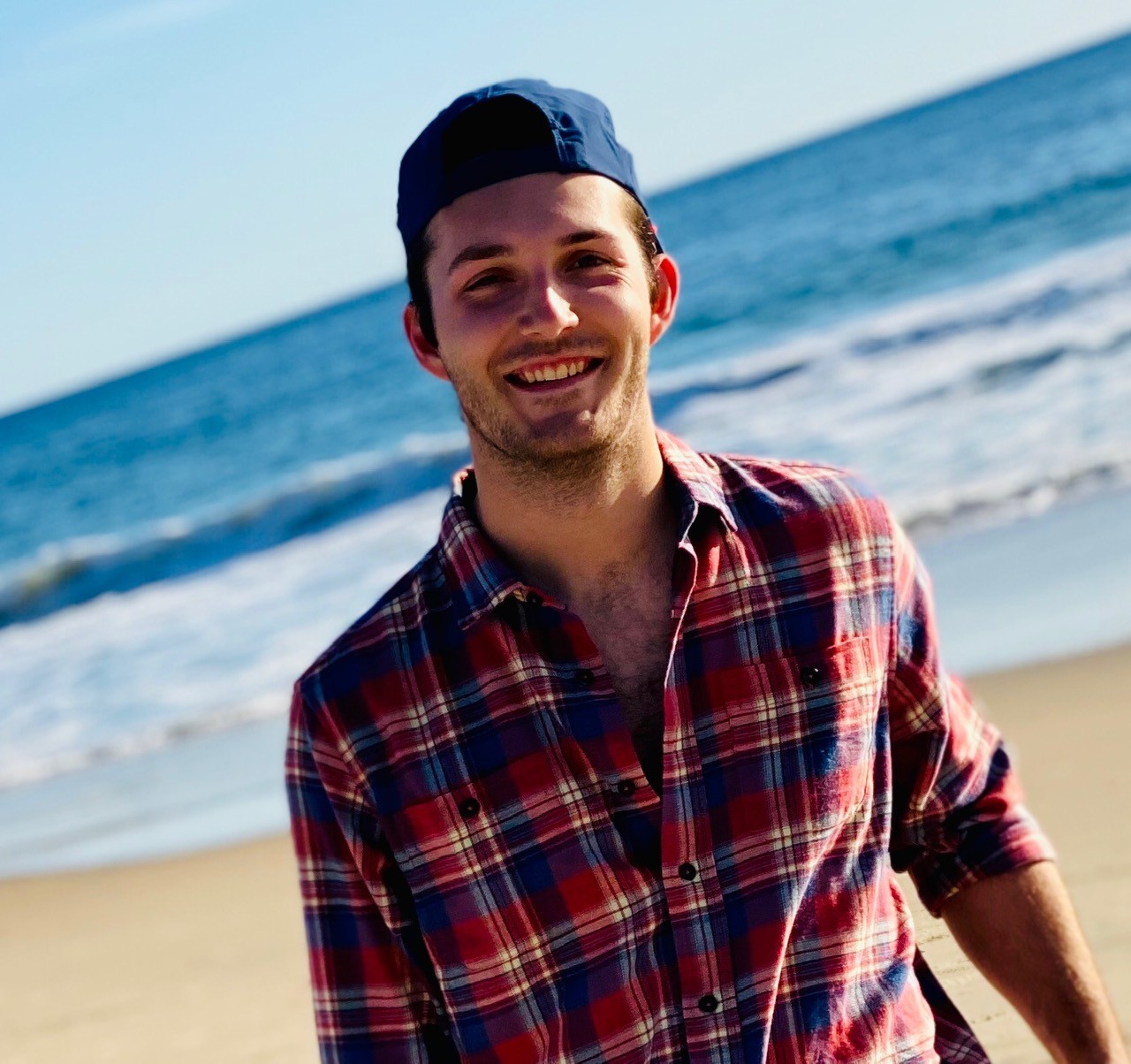
Shane Stephens
Research Associate
Education:
M.S. Texas A&M University (2023)
B.S. Texas A&M University (2018)
Research Interests:
I am interested in small and large scale connectivity of marine fishes. My research involves using acoustic telemetry and satellite tags in order to observe migrations of Atlantic tarpon (Megalops atlanticus) along the Texas coast. With this information I hope to aid in the further understanding the timing and migration pathways of tarpon.
Former Lab Members
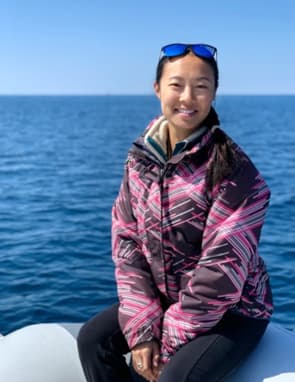
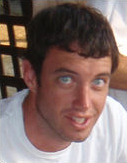
Dr. Michael Dance
(Postdoctoral Research Associate 2016-2018; Ph.D. 2015)
Current Position:
Assistant Professor, Louisiana State University.
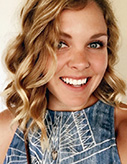
Corinne Meinert
(M.S. 2018)
Current Position:
Environmental Specialist, Perennial Environmental Services.
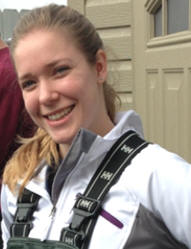
Jessica Lee
(Research Associate/Lab Manager 2012-2018)
Current Position:
Business Administrator I, Department of Marine Biology & Department of Marine and Coastal Environmental Science, Texas A&M University at Galveston.
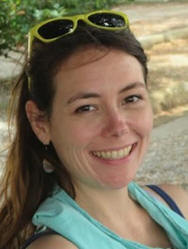
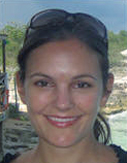
Dr. Maelle Cornic
(Ph.D. 2017)
Current Position:
Post Doctoral Research Associate, Department of Fisheries and Oceans Canada.
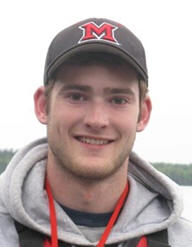
David Moulton
(M.S. 2015)
Current Position:
Ph.D. Student, University of British Columbia, Vancouver, B.C., Canada.
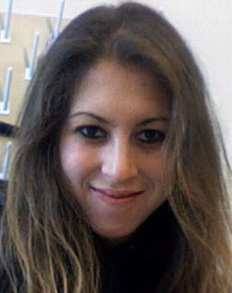
Lynne Wetmore
(M.S. 2014)
Current Position:
Ph.D. student, Joint Doctorate with San Diego State University and UC Davis.

Dr. Nathan Furey
(M.S. 2012)
Current Position:
Assistant Professor, University of New Hampshire.
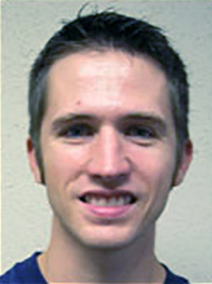
Jeffrey Simms
(M.S. 2009)
Current Position:
Senior Staff Scientist, Cardno ENTRIX, Houston, TX.
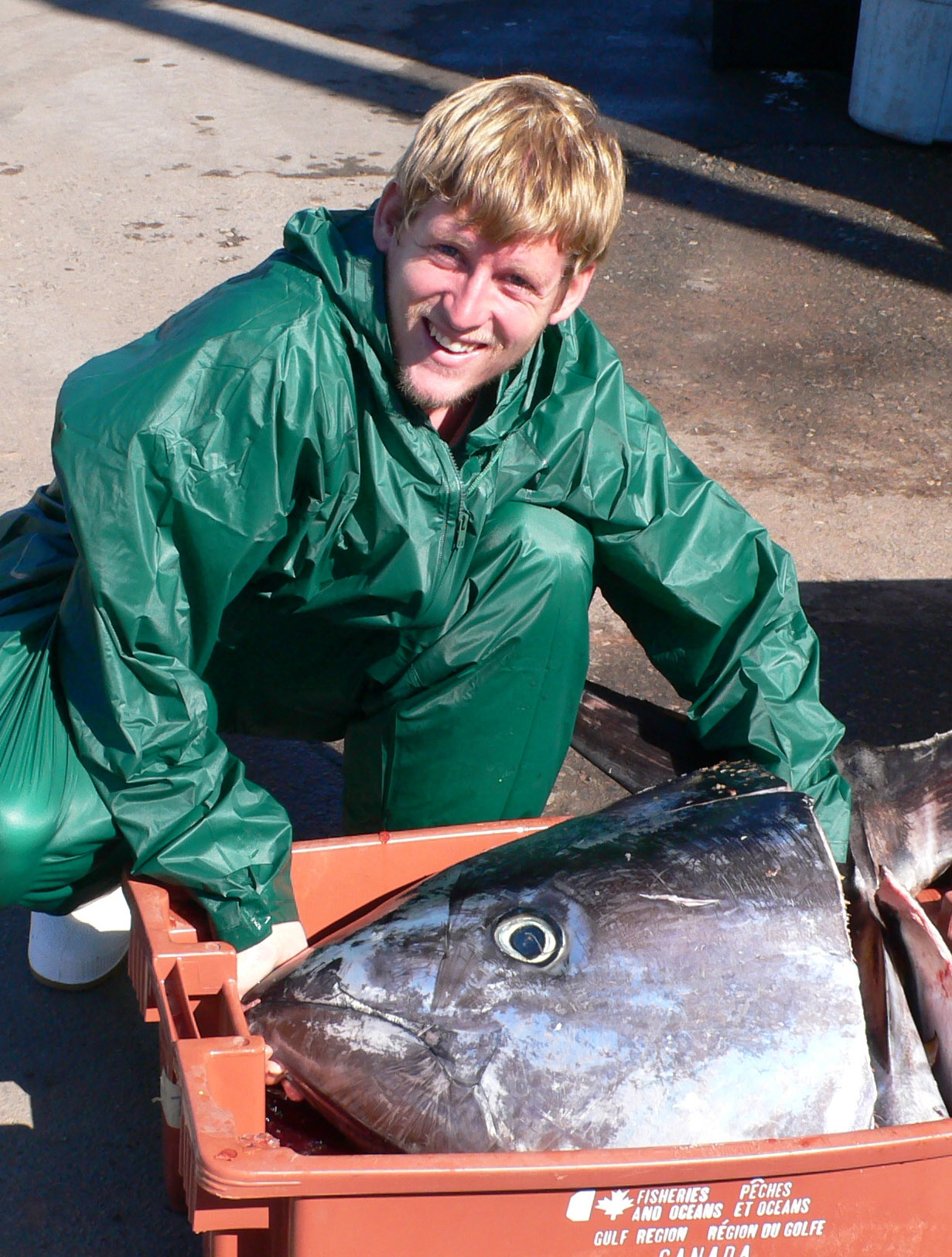
Ryan Schloesser
(M.S. 2009)
Current Position:
Ph.D. student, Virginia Institute of Marine Science.
Dr. Jessica L. Beck
(Ph.D 2008)
Current Position:
Southeast Regional Aquaculture Coordinator, Aquaculture Program, NOAA, US Department of Commerce.
Joseph J. Mikulas
(M.S. 2007)
Current Position:
Secondary Science Teacher, Katy ISD, TX.
Dr. Lindsay Glass Campbell
(M.S. 2006)
Current Position:
Biologist, Texas Parks and Wildlife Department.
Dr. Richard T. Kraus
(Post-doc 2003-2006)
Current Position:
Station Supervisor, Lake Erie Biological Station, USGS Great Lakes Science Center, Sandusky, Ohio.

Yan Cai
(M.S. 2005)
Current Position:
Research Associate, Hainan University.
Dr. Jason P. Turner
(Ph.D 2004)
Current Position:
Associate Professor, University of Hawai'i at Hilo.
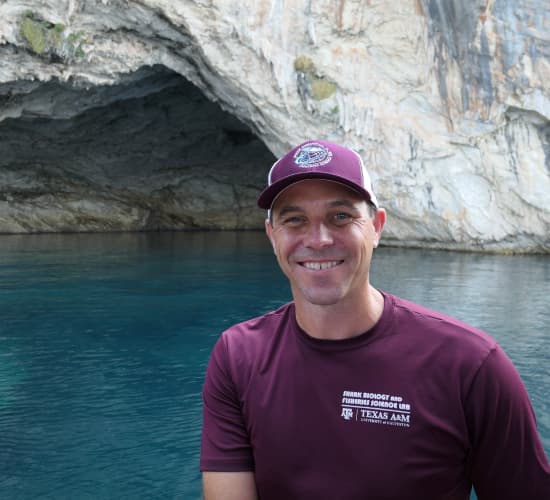
Dr. R.J. David Wells
(M.S. 2002, Post-doc 2007-2010)
Current Position:
Professor, Texas A&M University at Galveston.
Matt W. Johnson
(M.S. 2000)
Current Position:
Assistant Research Scientist and Fisheries and Mariculture Program Coordinator, Texas A&M University Corpus Christi.
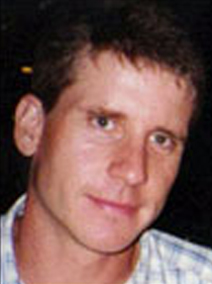
Bert W. Geary
(M.S. 2000)
International Students and Post-Docs Hosted
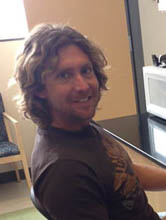
Alexandre Aschenbrenner
(Ph.D. Student)
University of Pernambuco, Brazil
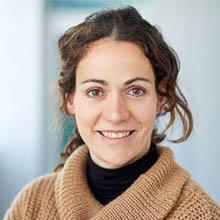
Igaratza Fraile
(Postdoctoral Research Associate)
AZTI Tecnalia, San Sebastian, Spain
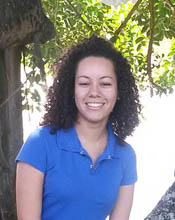
Aline Franca
(Ph.D. Student)
University of Pernambuco, Brazil
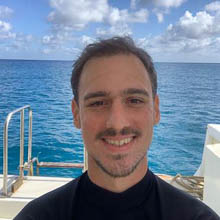
Daniel Lippi
(Ph.D. Student)
University of Pernambuco, Brazil
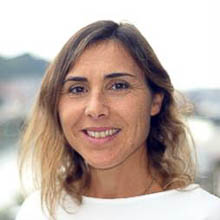
Patricia Luque
(Postdoctoral Research Associate)
Spanish Institute of Oceanography, Santander, Spain
Anna Traina
(Postdoctoral Research Associate)
Current Position:
Research Scientist, National Research Council, Italy (IAMC-CNR, UOS di Capo Granitola)
Collaborators
Dave Secor, Chesapeake Biological Laboratory, University of Maryland
John Graves, Virginia Institute of Marine Science
Gregorio De Metrio, University of Bari, Italy
G. Joan Holt, University of Texas Marine Science Institute
Scott Holt, University of Texas Marine Science Institute
John Neilson, Department of Fisheries and Oceans, Canada
Jay Kaufman, University of Maryland
Enrique Rodriguez-Marin, Spanish Institute of Oceanography, Spain
Eric Prince, NOAA Fisheries-SEFSC
Barbara Block, Stanford University
Greg Stunz, Texas A&M University Corpus Christi
Will Heyman, Texas A&M University
John Hoolihan, University of Miami
Dave Itano, University of Hawaii
Haritz Arrizabalaga, AZTI Tecnalia, San Sebastian, Spain
Jim Franks, University of Southern Mississippi
Mario Sprovieri, Sicily, Italy