
Research Aims
Port Aransas, Texas was once known as the “Tarpon Capital of the World” from 1920-1940 when large schools of tarpon (Megalops atlanticus) would pass along the coast. By the 1960’s the fishery had collapsed likely due to numerous factors including poor management practices and loss of suitable nursery habitat. However, the Texas Parks and Wildlife Department (TPWD) long-term gillnet dataset shows evidence that tarpon numbers are beginning to increase in most Texas bays. Further, recreational fishermen have recently had great success seeing and catching migratory adult tarpon along the Texas coast providing additional optimism for the fishery. The excitement surrounding the tarpon fishery in recent years has greatly increased the popularity of targeting this species, making GRIHMS research vital to better understand and protect the fishery.
Tarpon spend their early life stages found in tidal creeks and estuaries before moving to tidal passes as sub-adults. Once mature, tarpon move offshore to coastal waters where they begin seasonal migrations. Tarpon migratoryAlthough genetic studies have often debated the population structure of Atlantic tarpon, numerous tracking efforts, such as the ongoing tarpon research at GRIHMS, have found evidence to support the presence of two migratory contingents or subpopulations in the Gulf of Mexico (Gulf). These contingents (eastern and western) both migrate north towards the Mississippi River delta and then return south towards Florida and Mexico respectively. Since tarpon migrate great distances during this migration and often cross state and international borders they are exposed to various regulations and management practices. While strict catch regulations have been implemented in most U.S. waters, tarpon are regularly harvested in international waters and therefore movement of tarpon across the Texas-Mexico border will likely reduce the effectiveness of management strategies aimed at restoring population(s) in the U.S.
The primary objective of the GRIHMS’s Texas Tarpon Tagging Initiative is to continue tracking tarpon movement along the Texas coast using acoustic and satellite telemetry. This research will continue to provide insight into the timing, behaviors, and pathways of both short- and long-term tarpon movements while also investigating the potential effects of varying handling practices in the catch and release fishery. The goal is to expand the scope of this research to determine the origin and residency patterns of tarpon in the NW Gulf to identify essential habitats of juvenile and adult tarpon in Texas waters and the environmental conditions that define highly suitable habitats. GRIHMS aims to contribute to a better understanding of tarpon in Texas to inform future tarpon fishermen and resource managers who can conserve the fishery for future generations.
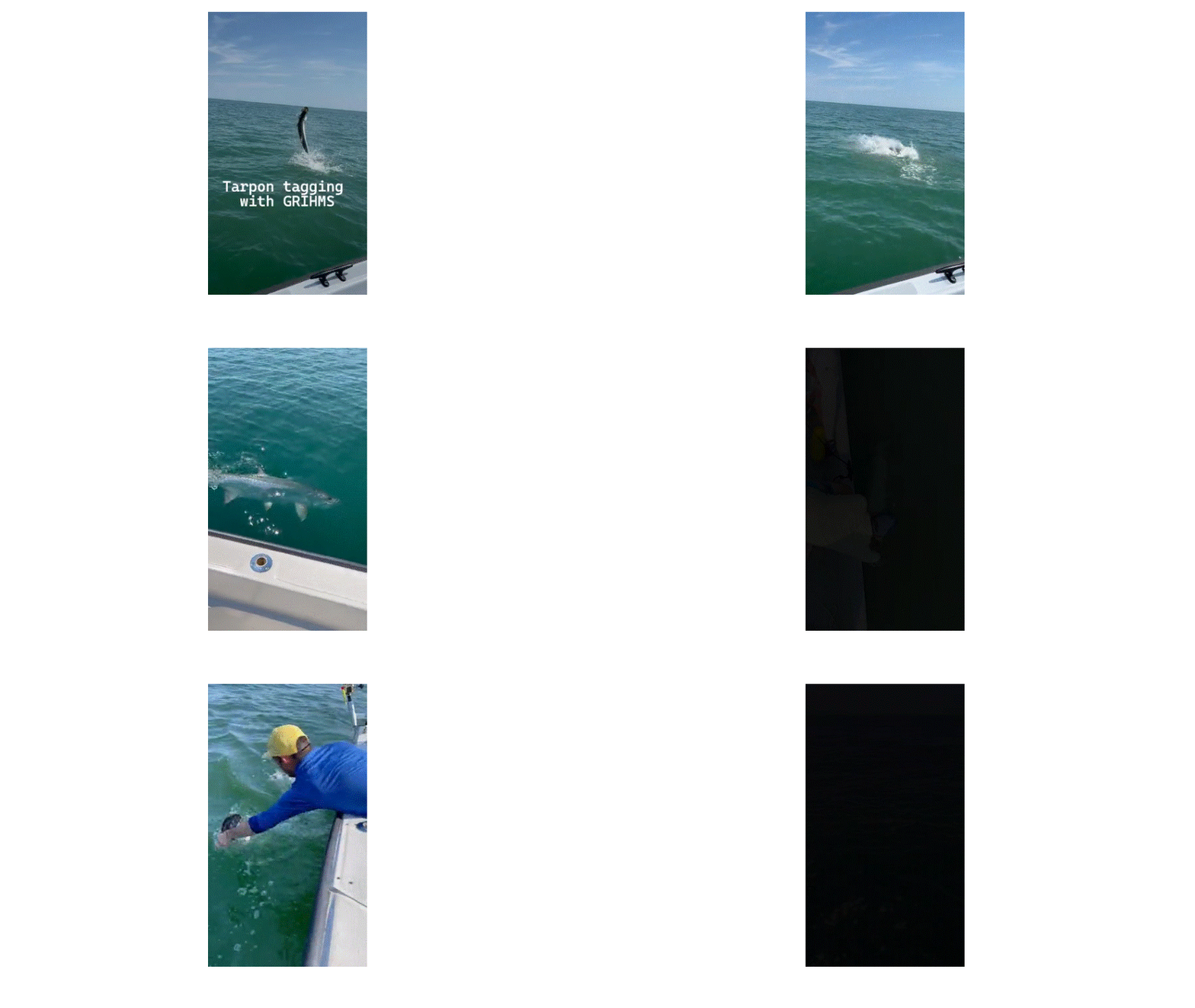
Acoustic Telemetry
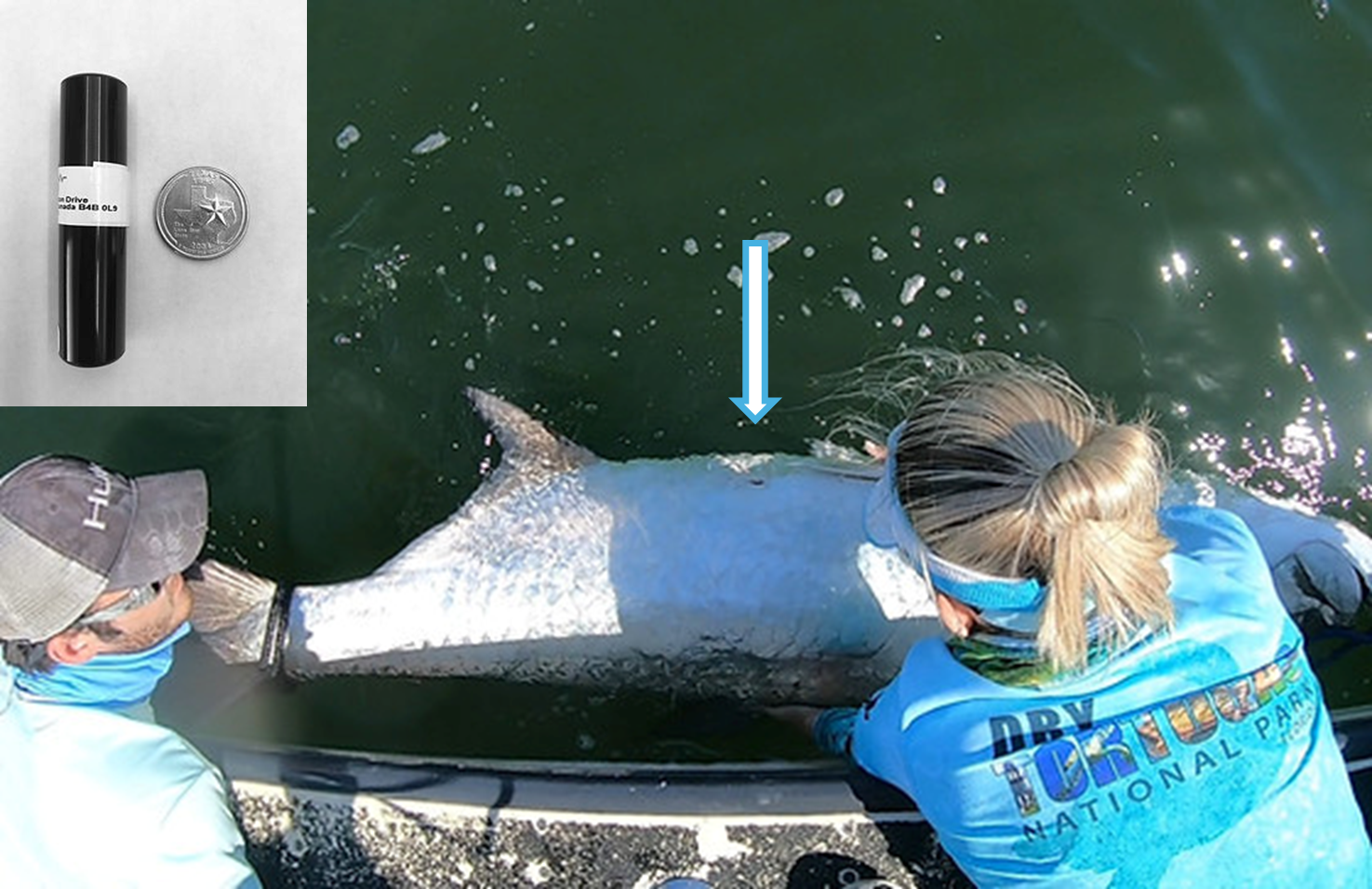
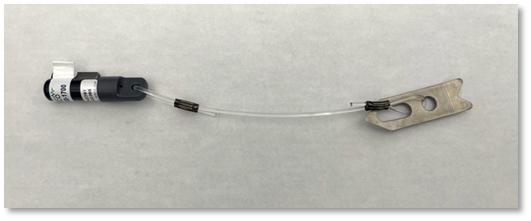
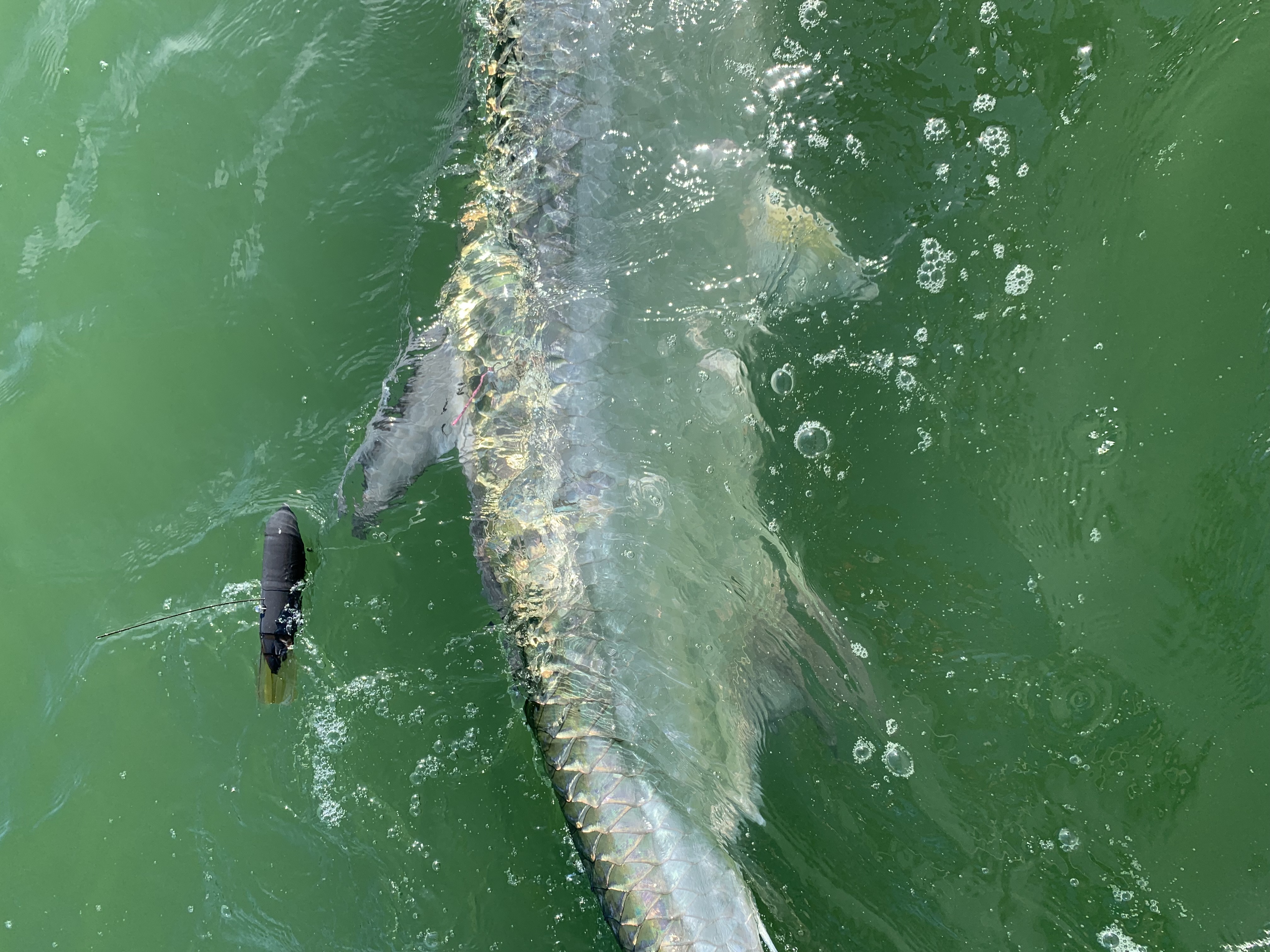
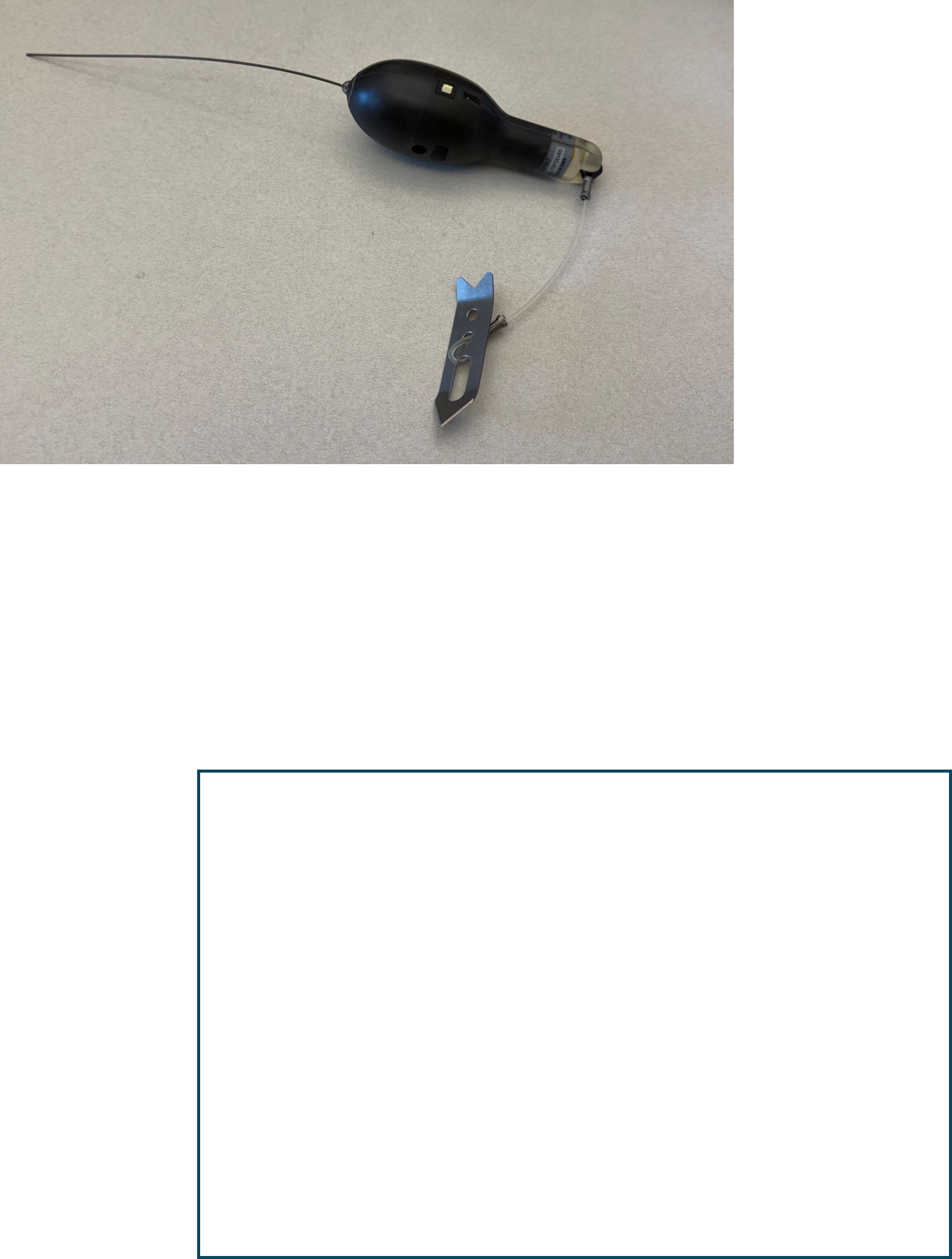
Acoustic telemetry allows scientists to track tarpon for several years using a system of receivers and transmitters. Since 2018, GRIHMS scientists have surgically implanted V16 acoustic tags (Top Left) into the abdomen of tarpon (Right). These tags have a battery life of ~5 years which can provide long-term data for a tagged individual. As the tagged tarpon swims within range of an acoustic receiver, the transmitter emits a unique tag code (identifying the individual tarpon) to the receiver, which logs the code with a date/time stamp. Detections on multiple receivers by a tarpon allow scientists to retrospectively determine the range and timing of movements, which are used to elucidate migration pathways.
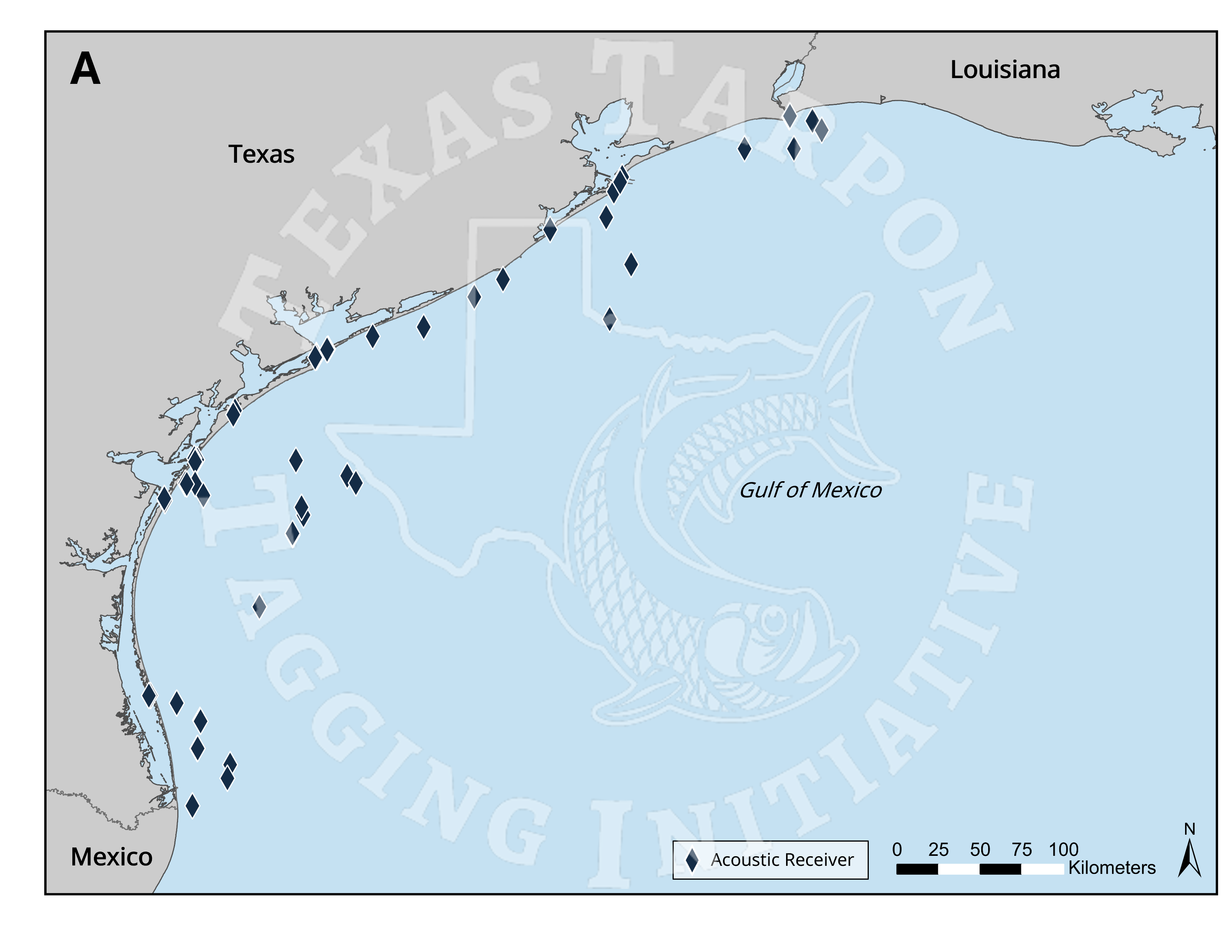
GRIHMS maintains a large coastal array of receivers while also collaborating with neighboring universities who have acoustic arrays deployed along the northwestern Gulf (Figure A). These arrays provide great coverage of our coastline allowing for detection data from not only our tarpon tags, but also other migratory species tagged by GRIHMS.
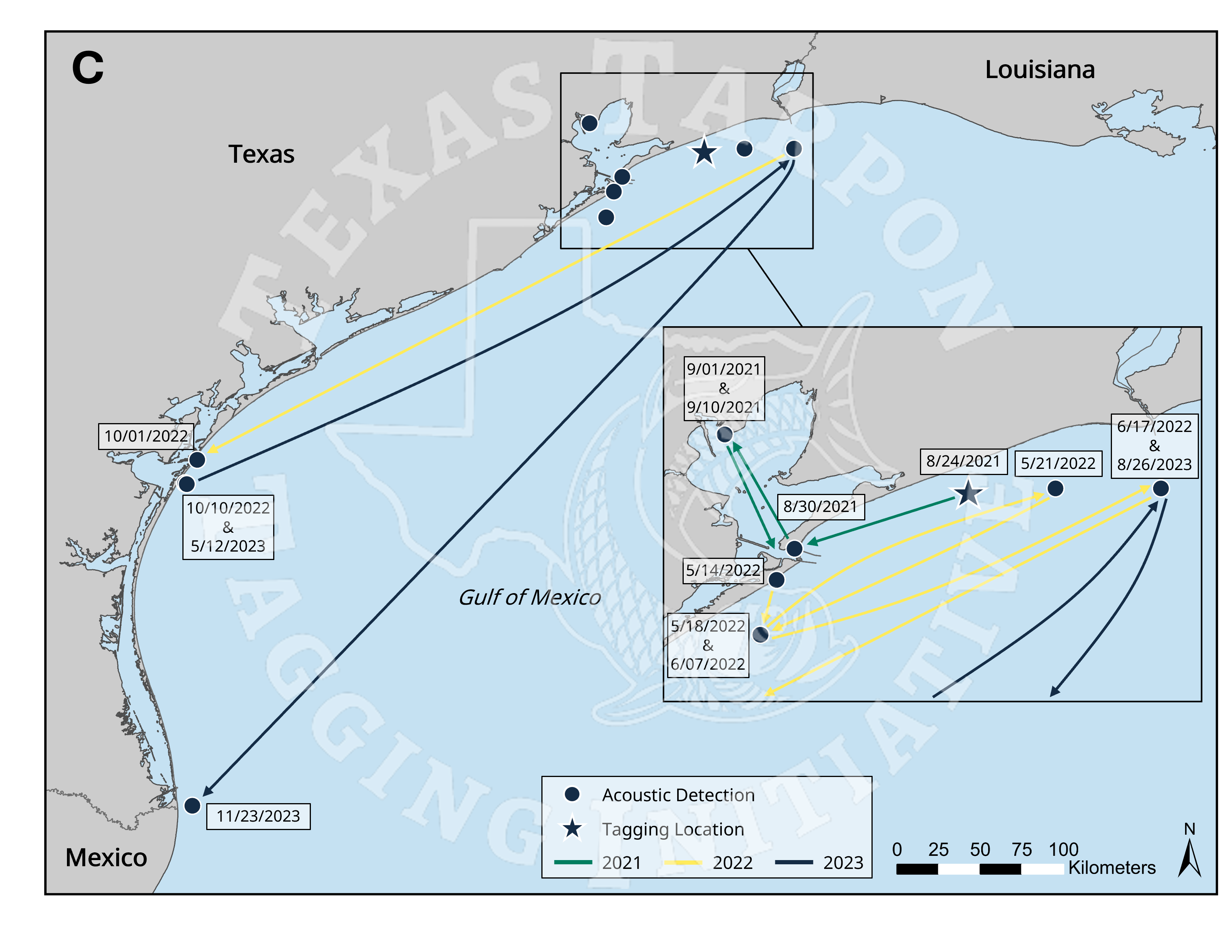
Acoustic tags have revealed individual movement behaviors such as repeatability and estuarine coastal connectivity. Figure B displays an individual returning to receivers or regions along the Texas coast year after year and sometimes almost exactly a year to date. Figure C depicts an individual that was tracked moving into the Galveston Bay complex for over a week before returning to coastal waters. This is a great example of adult tarpon still utilizing estuarine habitats along their migration pathways. Due to the duration of the Texas Tarpon Tagging Initiative and the extended battery life of these tags, we have been able to observe fairly consistent immigration and emigration patterns for the species providing additional insight into the timing of migration year to year.
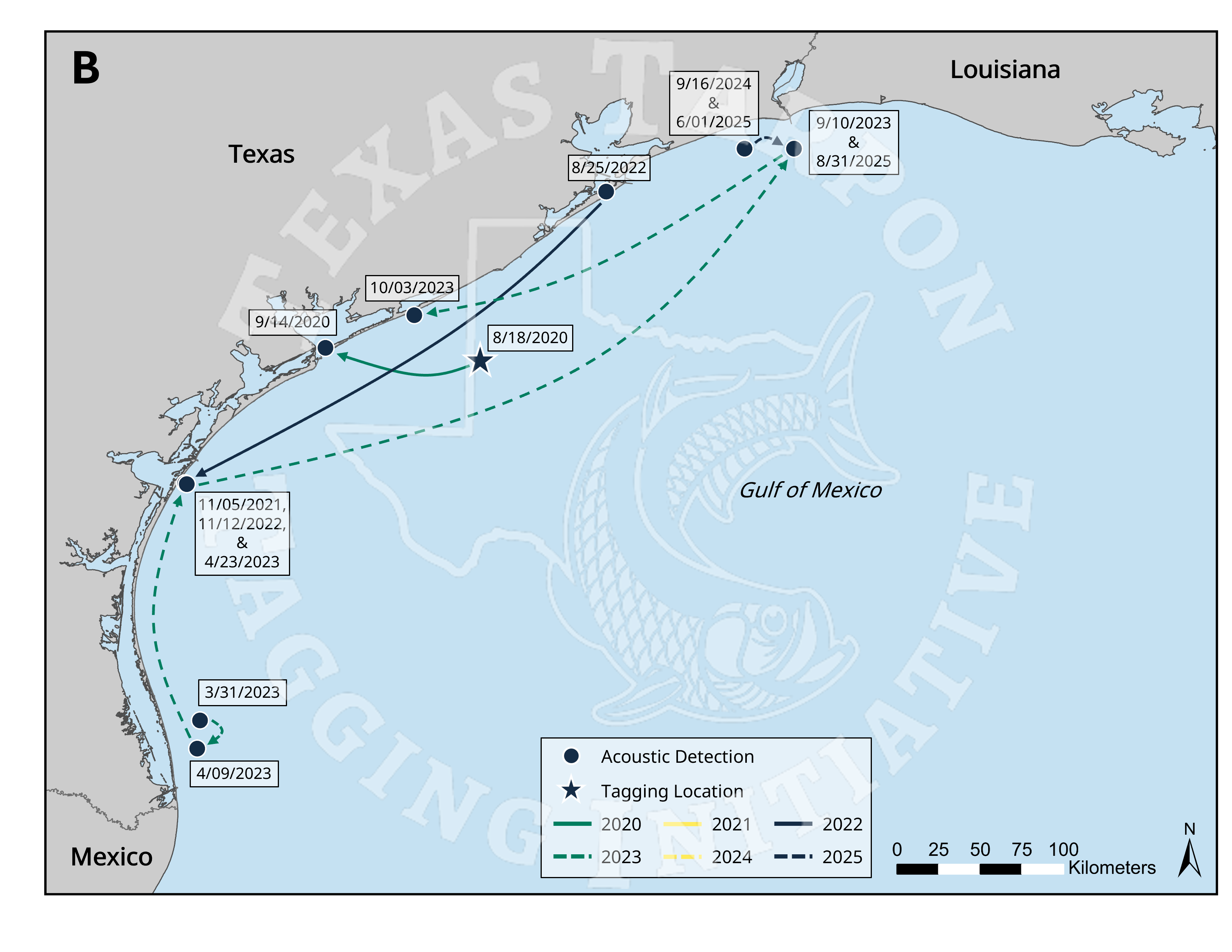
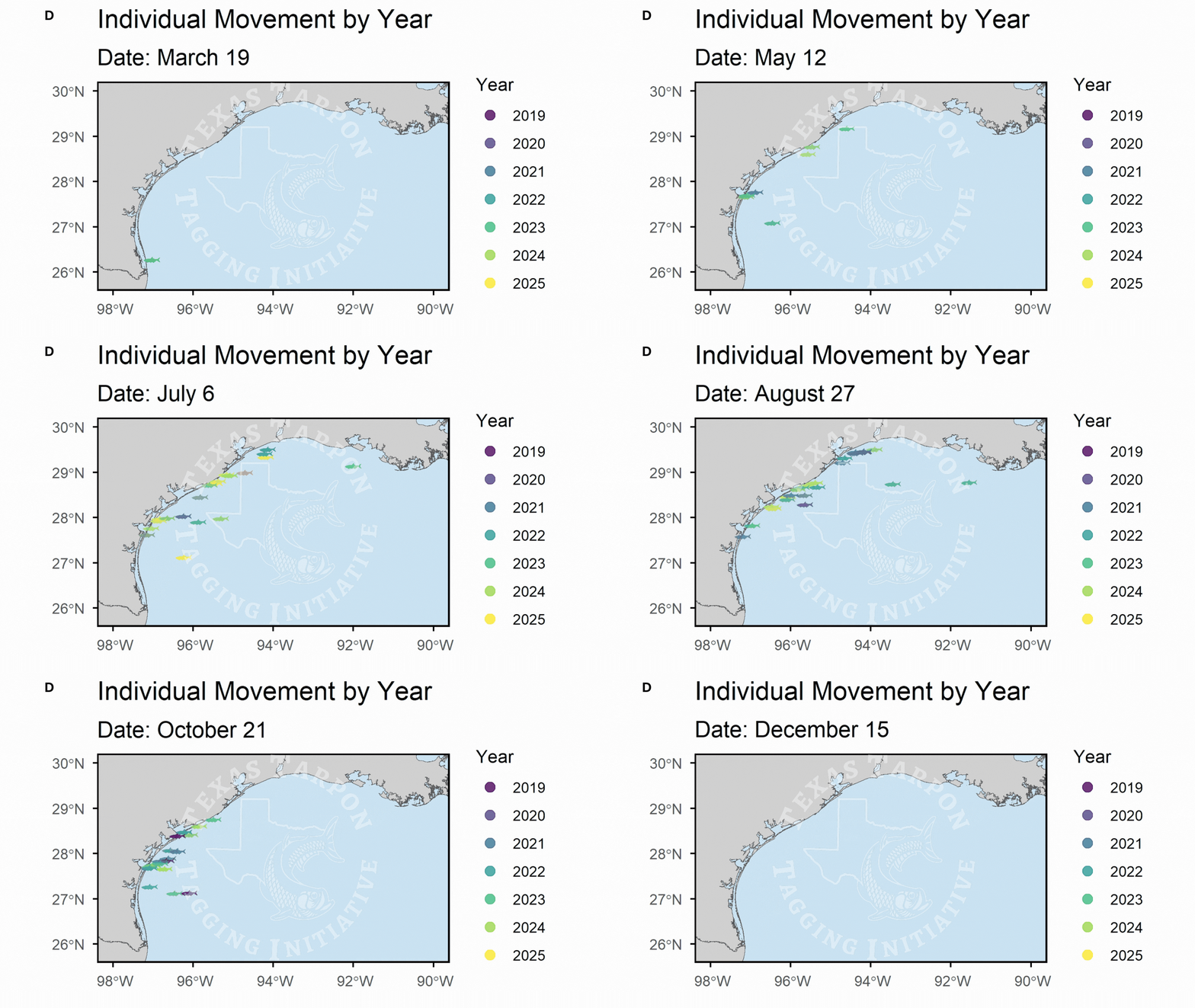
General tarpon migration patterns show adult migratory tarpon moving North in the late spring and early summer up along the Texas coast and moving back south from the late summer into the fall months.
Tarpon Citizen Scientist Program
Local recreational fisherman along the Texas coast have played a vital role in our research by sharing their knowledge of the fishery and allowing us to tag on their vessels. During the 2025 tarpon season, GRIHMS began a new citizen scientist program to allow recreational anglers, that took part in the required training, to deploy external acoustic V9 tags on tarpon they caught throughout the season. While the V9 tag is smaller and more streamlined, making it ideal for an external tag, it has a reduced battery life to just over a year. Despite the shorter battery life, these tags not only provide valuable information on the timing and pathways of migrations for the following season but also shed light on the success rate of catch and release practices by recreational anglers. Through this external tagging program GRIHMS is excited to continue working with local anglers to improve our understanding of this fishery. If interested in joining the citizen science program reach out the GRIHMS via email.
Satellite Tagging
While acoustic tags help us observe tarpon movement and provide some insight into the status of tagged individuals, using satellite tags allows us to assess the survivorship of tarpon that are captured and released as part of our research. Survivorship pop-up archival transmitting (sPAT) tags from Wildlife Computers record depth, temperature, and light data for up to 60 days before popping off and floating to the surface. This data is used to estimate the condition and survivorship of the fish and to better understand how handling practices and tagging surgeries affect the individual.
eDNA
As tarpon are becoming more prevalent within the Texas bays, it is important to identify critical nursery habitats along the coast to continue to rebuild the fishery. Environmental DNA (eDNA) is a new approach that allows scientist to collect water samples to determine if tarpon are present in that body of water without having to physically collect the fish. This technique will allow GRIHMS to collect samples throughout the Texas coast to determine where juvenile tarpon are present and what particular environmental factors influence the use of that area as a nursery. Determining what habitats juvenile tarpon utilize is necessary to help develop an effective recovery plan. This technique could be expanded to other HMS that GRIHMS is interested in.